Lichen, Algae or Moss? Identifying What Is Growing on Your Cheltenham Roof
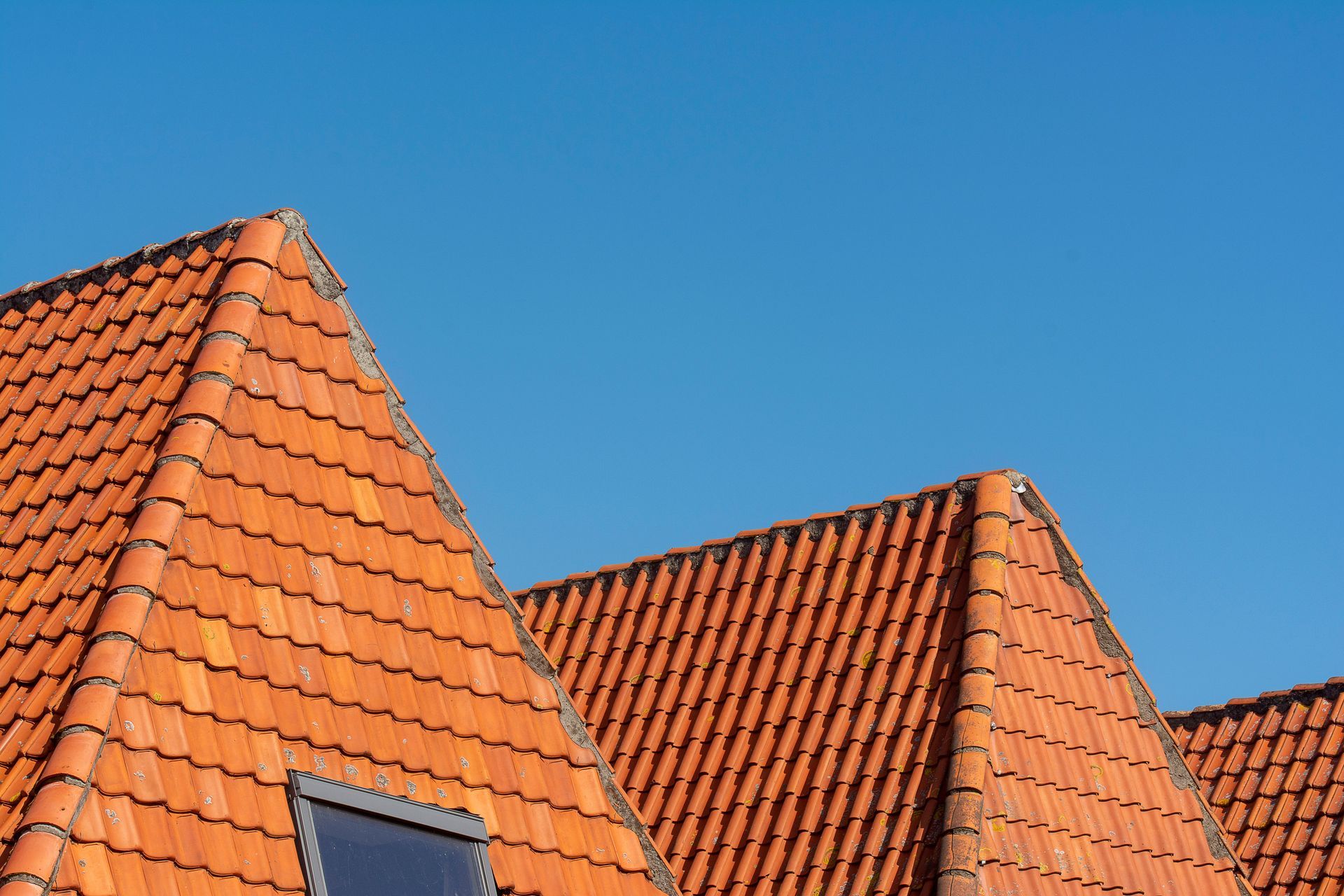
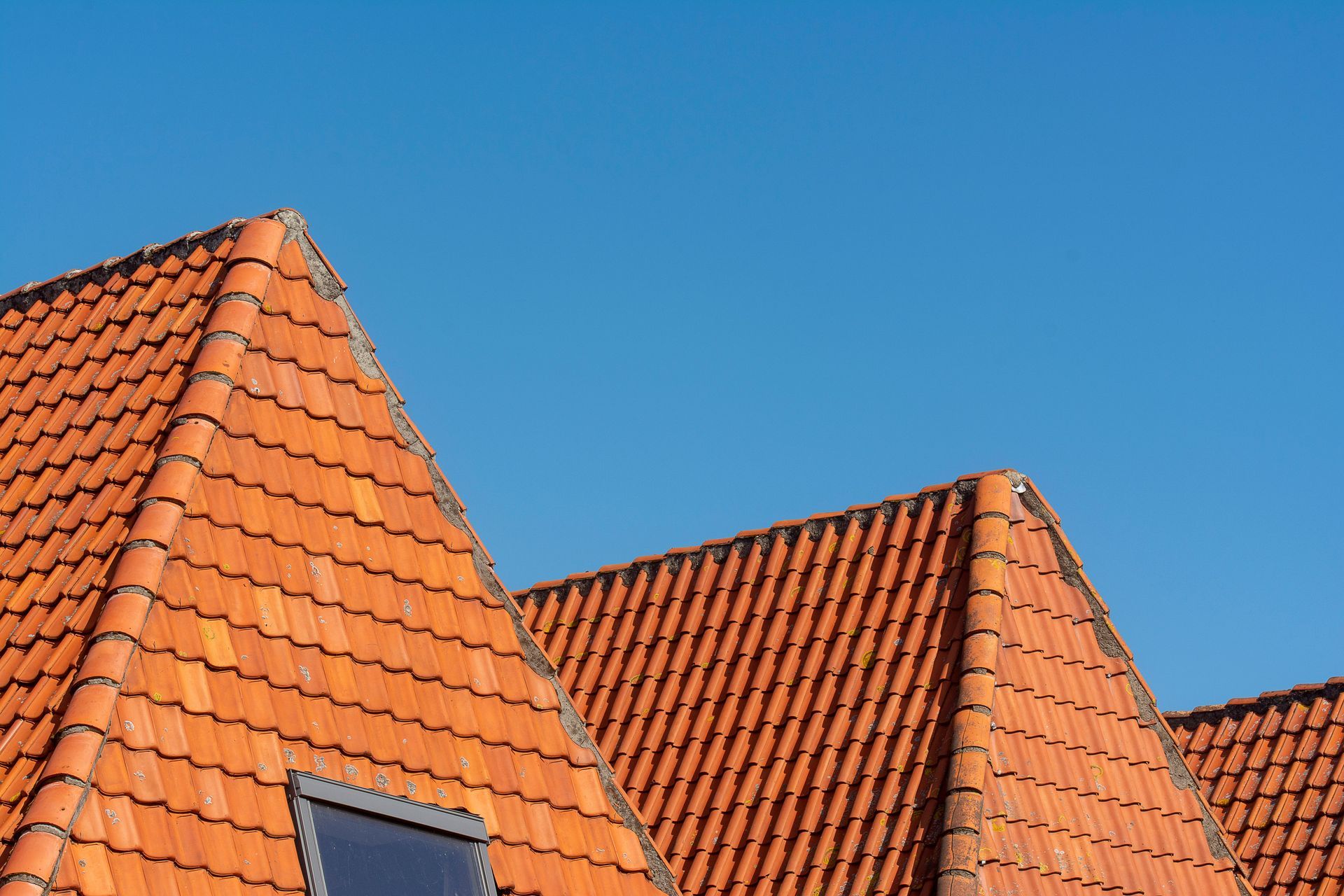
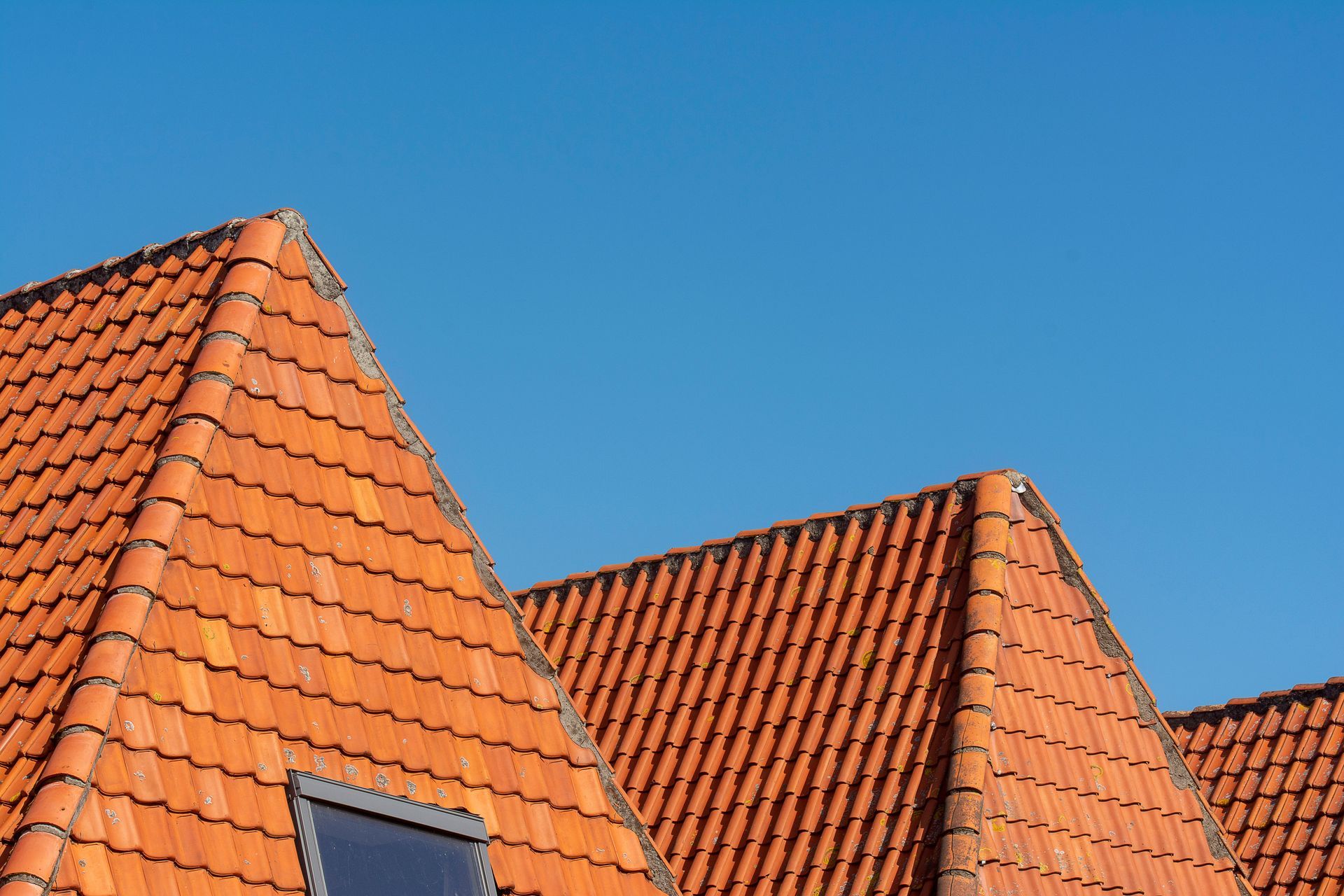
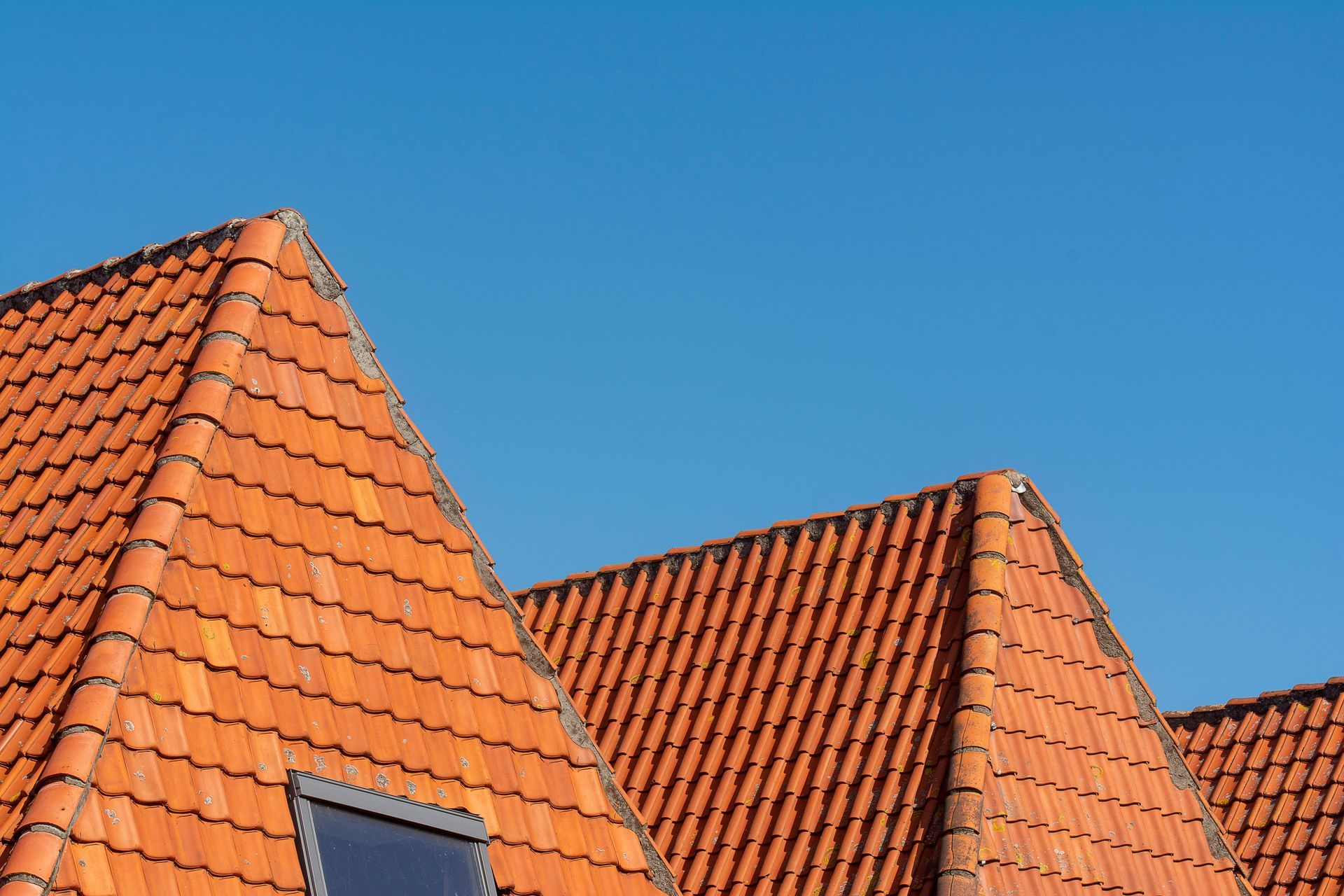
Stand at the end of your drive and look up at the roof, and you might notice it is not quite as clean as it once was. Perhaps there are dark streaks running down the tiles, spongy green cushions gathering along the ridge, or pale crusty patches clinging to the surface. These are three different organisms, and each tells its own story.
Knowing what you are actually looking at is more useful than it sounds. Algae, moss and lichen behave differently, affect your roof in different ways and call for slightly different treatment, so a quick lesson in telling them apart is time well spent for any Cheltenham homeowner.
The quick answer: The dark black or green streaks on a roof are usually algae, the thick green spongy growth is moss, and the flat, crusty patches in shades of grey, white or orange are lichen. All three thrive in Cheltenham's damp Severn Vale climate, and all three are best removed with soft washing, which treats them at the root rather than blasting them off. Correctly identifying the growth helps ensure the right approach is used.
1. Why It Helps to Know What You Are Dealing With
It might seem like splitting hairs, but identifying the growth on your roof genuinely matters. Each organism takes hold in a different way and affects the tiles differently, so understanding what is there helps you judge how urgent the problem is.
Algae is largely a cosmetic nuisance, moss can trap moisture and lift tiles over time, and lichen bonds stubbornly to the surface and can be the most persistent of the three. Recognising which you have gives you a clearer sense of what needs doing and when.
It also helps you have a more informed conversation when you call in a professional. Rather than simply saying the roof looks dirty, you can describe what you are seeing, which makes for a quicker and more accurate assessment.
2. Algae, the Black and Green Streaks
Algae is the most common growth on British roofs and the one most people notice first. It shows up as dark streaks, often black or greenish, running down the slope of the roof, and it can make even a sound roof look neglected and tired.
It thrives in damp, shaded conditions, feeding on moisture and the minerals in the tiles. In a humid town like Cheltenham it takes hold readily, particularly on north-facing slopes that see little direct sun and stay damp for long stretches.
The good news is that algae is generally the least damaging of the three. It is unsightly rather than structurally harmful, though left alone it creates exactly the damp surface that moss and lichen love to colonise next.
3. Moss, the Thick Green Cushions
Moss is the growth people picture most readily, forming those thick, spongy green cushions that gather along ridges, in the gaps between tiles and anywhere debris collects. It is unmistakable once it takes hold, and it can build up surprisingly quickly.
Unlike algae, moss can cause real problems if left unchecked. It holds water against the tiles like a sponge, and as it works into joints and under edges it can gradually lift tiles and let moisture find its way in. Have you noticed clumps of it dropping into your gutters? That is often the first sign it has spread.
Cheltenham's mild, wet climate and leafy, tree-lined avenues make it a haven for moss. Roofs shaded by mature trees or facing away from the sun tend to gather the thickest growth, and the town has plenty of both.
4. Lichen, the Crusty Patches
Lichen is the most curious of the three and often the hardest to shift. It appears as flat, crusty patches in shades of grey, sage green, white or even orange, spreading across the surface of the tiles in irregular rosettes.
What makes lichen so stubborn is the way it bonds tightly to the tile, almost becoming part of the surface. It is a slow grower but a determined one, and it tends to favour older, more porous materials such as the Cotswold stone slates and natural slate found on many Cheltenham properties.
Because it grips so firmly, lichen responds far better to proper treatment than to any attempt at scraping. A biocide that breaks it down at the root, followed by the gentle action of the weather, is by far the most effective way to be rid of it.
5. Why Cheltenham Roofs Attract All Three
It is no accident that so many local roofs play host to all three at once. Cheltenham sits in the damp Severn Vale, where river mists, high humidity and regular rainfall keep roofs moist for much of the year, and moisture is the common ingredient every one of these organisms needs.
Add in the town's abundance of mature trees, from the grand avenues of Pittville to the leafy streets of The Suburbs, and you have shade and falling debris feeding the growth still further. Elegant as these settings are, they create ideal conditions for algae, moss and lichen alike.
This is simply part of living somewhere as green and characterful as Cheltenham. It is nothing to be alarmed by, but it does mean roofs here benefit from occasional attention to keep the growth in check.
6. How Soft Washing Tackles Each of Them
Whatever the mix on your roof, soft washing is the method suited to dealing with all three safely. Rather than blasting the surface with high pressure, which can damage tiles and only removes the top layer, soft washing uses low-pressure water and a specialist biocide.
The biocide kills the algae, moss and lichen at the root, and the growth then breaks down and weathers away naturally over the following weeks. This approach reaches what a jet wash cannot and, crucially, slows how quickly everything returns.
With over 15 years of experience across Cheltenham and the surrounding area, we have treated every combination of these organisms on every kind of local roof. Matching the treatment to the growth and the material is exactly what makes the difference between a quick fix and a lasting result.
- Algae: Dark black or green streaks, mainly cosmetic but a sign of a damp surface.
- Moss: Thick, spongy green cushions that trap moisture and can lift tiles over time.
- Lichen: Flat, crusty grey, white or orange patches that bond tightly to the tiles.
- Soft washing: Treats all three at the root without the damage caused by high pressure.
Frequently Asked Questions
Is the black streaking on my roof dangerous?
The black streaks are usually algae, which is more of a cosmetic issue than a structural threat. Even so, it creates the damp conditions that encourage moss and lichen, so it is worth dealing with before it spreads.
Does moss really damage a roof?
It can if left unchecked. Moss holds moisture against the tiles and works into joints and under edges, which over time can lift tiles and allow water in. Removing it protects the roof.
Why is lichen so hard to remove?
Lichen bonds tightly to the tile surface and almost becomes part of it. Scraping rarely works well, but a proper biocide treatment breaks it down at the root so the weather can wash it away.
Can one treatment deal with all three at once?
Yes. Soft washing with a specialist biocide tackles algae, moss and lichen together, treating whatever mix is present on your roof in a single, careful process.
Will the growth come back after cleaning?
In Cheltenham's damp climate some regrowth over time is natural, but soft washing slows it considerably compared with pressure washing. Occasional attention keeps a roof looking its best.
Not sure what is growing on your roof?
Ben's Roof Cleaning brings over 15 years of experience in safe, effective roof cleaning across Cheltenham and the surrounding area. Get in touch or call 01242 472722
for a free, no-obligation quote.
Know Your Roof, Protect Your Home
Once you can tell algae from moss from lichen, the state of your roof stops being a mystery and starts to make sense. Each has its own habits, and in Cheltenham's damp, leafy setting most roofs will meet all three sooner or later. A careful soft wash deals with the lot, and knowing what you are looking at is the first step towards keeping your roof sound and looking its best.